What Are KPIs?
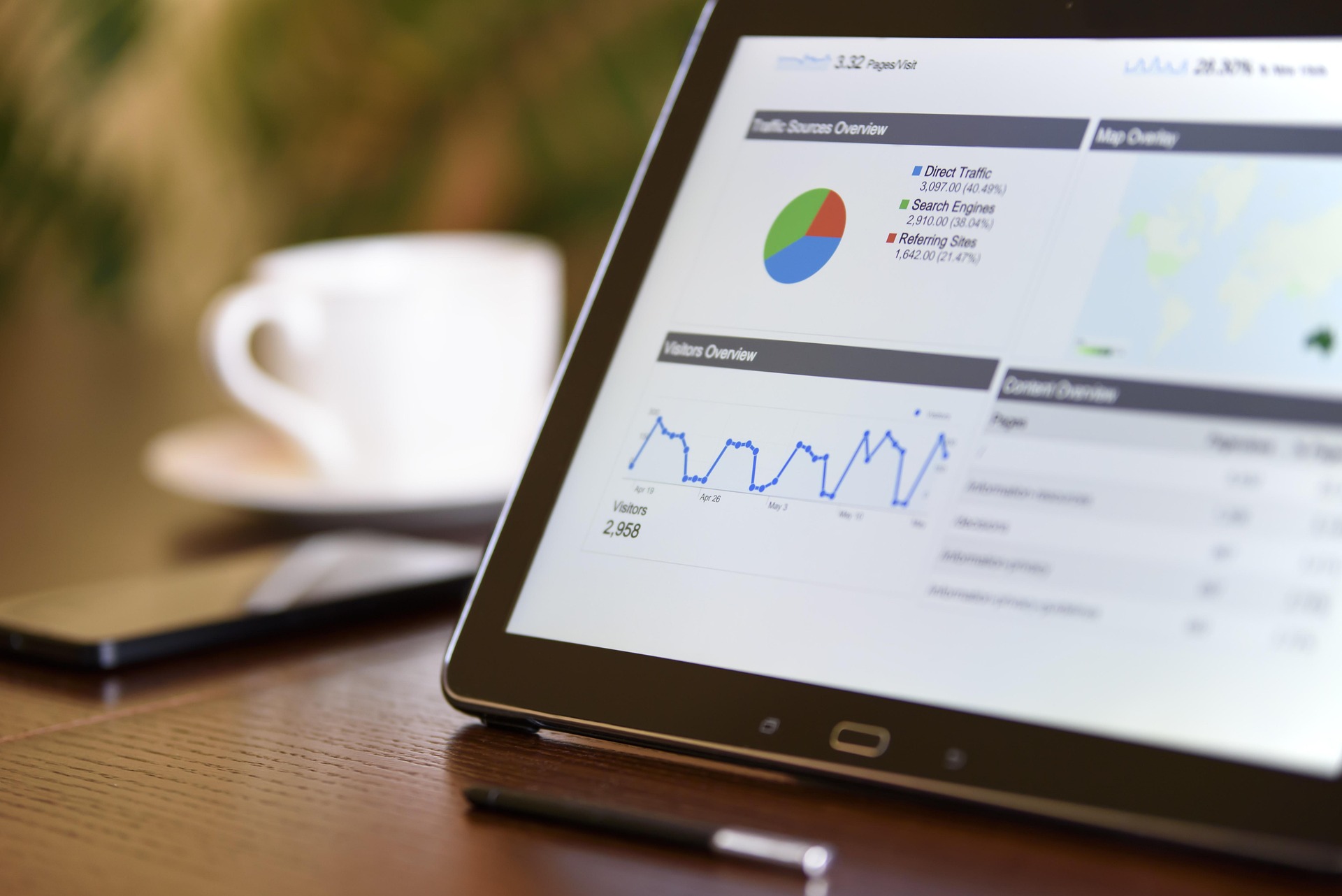
What Are KPIs?
If you’ve ever looked at a financial report, business
dashboard, or management pack and thought “What exactly is a KPI and why
should I care?” — you’re not alone.
The term KPI always gets used in business conversations, but very few people actually explain what it means in simple terms. Yet understanding KPIs is one of the most powerful ways a business owner can gain control over their business.
In this article we’ll explain:
- What KPIs are
- Why they matter for business owners
- How many KPIs you should track
- Whether KPIs are the same for every business
- Examples of common KPIs
- How businesses should start tracking them properly
What Is a KPI?
A KPI (Key Performance Indicator) is a measurable number that shows how well a business is performing against its goals.
KPIs help business owners track progress, identify problems early, and make better decisions using real financial and operational data.
Most businesses track between 5 and 10 key KPIs, often related to revenue, profitability, cashflow, and operational efficiency.
Why KPIs Matter for Business Owners
Many business owners run their business based on instinct or experience. While this can work for a while, it often becomes much harder as the business grows. This is where KPIs become valuable.
KPIs give business owners objective data about how their
business is performing, rather than relying on gut feeling.
When used correctly, KPIs help businesses:
- Understand financial performance - KPIs provide clear visibility on whether the business is actually profitable and financially stable.
- Identify problems early - If sales drop, costs increase, or customers start paying more slowly, KPIs help identify the issue quickly.
- Make better decisions - Hiring staff, increasing marketing spend, or launching new services becomes much easier when you can see how the business is performing numerically.
- Focus on what truly drives the business - Not every number matters. KPIs help business owners focus on the metrics that actually influence success and growth.
How Many KPIs Should a Business Track?
One of the most common mistakes businesses make is trying to track too many metrics. More data does not always mean clearer visibility.
In fact, when businesses try to track dozens of indicators,
it often becomes difficult to see what really matters.
For most small and medium sized businesses, the ideal number
of KPIs is between 5 and 10.
These KPIs should cover the key financial and operational
areas of the business, such as:
- Revenue
- Profitability
- Cashflow
- Efficiency
- Growth
The goal is not to track every possible metric, but to focus on the numbers that truly indicate whether the business is performing well.
Are KPIs the Same for Every Business?
No - KPIs are not the same for every business.
Different industries operate in different ways, which means
the most useful performance indicators will vary.
For example:
A consulting business may track revenue per client
and utilisation rates.
A retail business may track stock turnover and
average transaction value.
A hospitality venue may track table turnover and cost
of goods sold.
However, while operational KPIs vary across industries,
there are some financial KPIs that almost every business should monitor.
Financial KPIs Most Businesses Track
Regardless of industry, there are several financial KPIs
that give business owners a clear understanding of performance.
Revenue - This measures the total income generated by the business. Tracking revenue trends over time helps businesses understand whether they are growing.
Gross Profit Margin - Gross profit margin shows how profitable a product or service is before overhead costs are considered. This helps business owners determine whether their pricing is sustainable.
Net Profit - Net profit shows what the business actually earns once all expenses have been deducted. This is one of the most important indicators of long-term business sustainability.
Cashflow - Cashflow measures how much cash is moving in and out of the business. Many profitable businesses still fail because of poor cashflow management.
Debtor Days - Debtor days measure how long customers take to pay their invoices. If customers pay slowly, it can create cashflow pressure even when the business is profitable.
Examples of KPIs in Different Types of Businesses
To understand how KPIs vary between industries, here are
a few examples.
Service Businesses - Common KPIs might include:
- Revenue per client
- Client retention rate
- Average project value
- Billable utilisation
Retail Businesses - Retail businesses often track:
- Average transaction value
- Stock turnover
- Gross margin per product
- Sales per square foot
Hospitality Businesses - Hospitality venues may monitor:
- Revenue per booking
- Food cost percentage
- Staff cost percentage
- Table turnover rate
Each of these indicators reflects the core drivers of
performance for that particular industry.
Common Mistakes Businesses Make When Tracking KPIs
Although KPIs are extremely useful, many businesses struggle to implement them effectively. Some common mistakes include:
Tracking too many numbers - When there are too many metrics, it becomes difficult to identify what really matters.
Only reviewing KPIs once a year - By the time annual accounts are prepared, it is often too late to fix problems. KPIs should normally be reviewed monthly.
Not understanding what the numbers mean - Numbers alone are not helpful unless someone can interpret them and explain what they mean for the business.
Looking only at the bank balance - A bank balance does not show the full financial picture.
KPIs provide deeper insight into profitability,
efficiency, and sustainability.
How Businesses Should Start Tracking KPIs
The best place to begin tracking KPIs is with good financial reporting and bookkeeping systems. Businesses that use accounting software such as Xero, Quickbooks and Freeagent can generate accurate financial reports and dashboards that provide the foundation for meaningful KPIs.
From there, businesses can develop monthly management
reports that include:
- Profit and loss performance
- Cashflow visibility
- Key financial KPIs
- Trends compared with previous months or years
When these reports are reviewed regularly, they provide a
powerful tool for managing and growing the business.
Final Thoughts
KPIs are not complicated financial jargon. They are simply the key numbers that show whether your business is performing well.
When business owners understand their KPIs, they gain clarity about:
- How profitable the business is
- Whether
the business is growing
- Where
problems might be developing
- What
decisions will move the business forward
The key is not tracking dozens of metrics. Instead, focus on the small number of indicators that truly drive performance and review them consistently.
When you understand your numbers, you understand your business.
Latest Blogs
Why Am I Making Money But Have No Cash?
Posted: 06/05/2026
When Should You Outsource Your Bookkeeping?
Posted: 27/04/2026
What is cashflow?
Posted: 11/04/2026
Why Good Bookkeeping Is Essential for Business Growth
Posted: 04/04/2026
What Is a Management Report?
Posted: 28/03/2026
What Financial Reports Should a Business Review Every Month?
Posted: 21/03/2026